Published by Organic Yellow · Updated
What a self-help-group sourcing claim should show: named partners, dated purchasing records and evidence of how a brand works with beekeepers.
An SHG, or self-help group, is a collective whose members work together for shared economic goals. In honey sourcing, that name can prompt useful questions about who keeps the bees, who sells the honey and how payments reach producers. It is not, on its own, proof of a particular brand's impact.
Why do women beekeepers feature in honey sourcing?
India's National Beekeeping & Honey Mission includes women's empowerment, collective organisations and source traceability among its objectives. This establishes the policy context; it does not establish that Organic Yellow participates in a government programme or buys from any named group.
Claims about livelihoods deserve the same care as claims about a food's composition. A photograph, a mountain landscape or a statement about community is not a purchasing record.
What would support a brand's sourcing story?
- Named partners: the group's name, location and consent to being represented, with personal details protected.
- Dated relationships: the period covered and whether the relationship is current, occasional or historical.
- Purchase records: a clear connection between the supplier, honey purchased and relevant product batches.
- Payment evidence: the basis for a fair-price claim and who was paid, rather than an unexplained promise that every purchase helps.
- A clear count: whether a number refers to members, active suppliers, households or hives, and when it was measured.
A count of all group members would not automatically equal the number of people supplying a brand. Similarly, buying through an organisation does not automatically show direct payment to every member or the absence of intermediaries.
What can Organic Yellow currently substantiate here?
The earlier article gave conflicting counts of women and hives, described specific purchasing practices and asserted technical support and minimum purchase commitments. The records available for this page do not substantiate those details. We have removed the figures and narrative rather than presenting them as a verified company history.
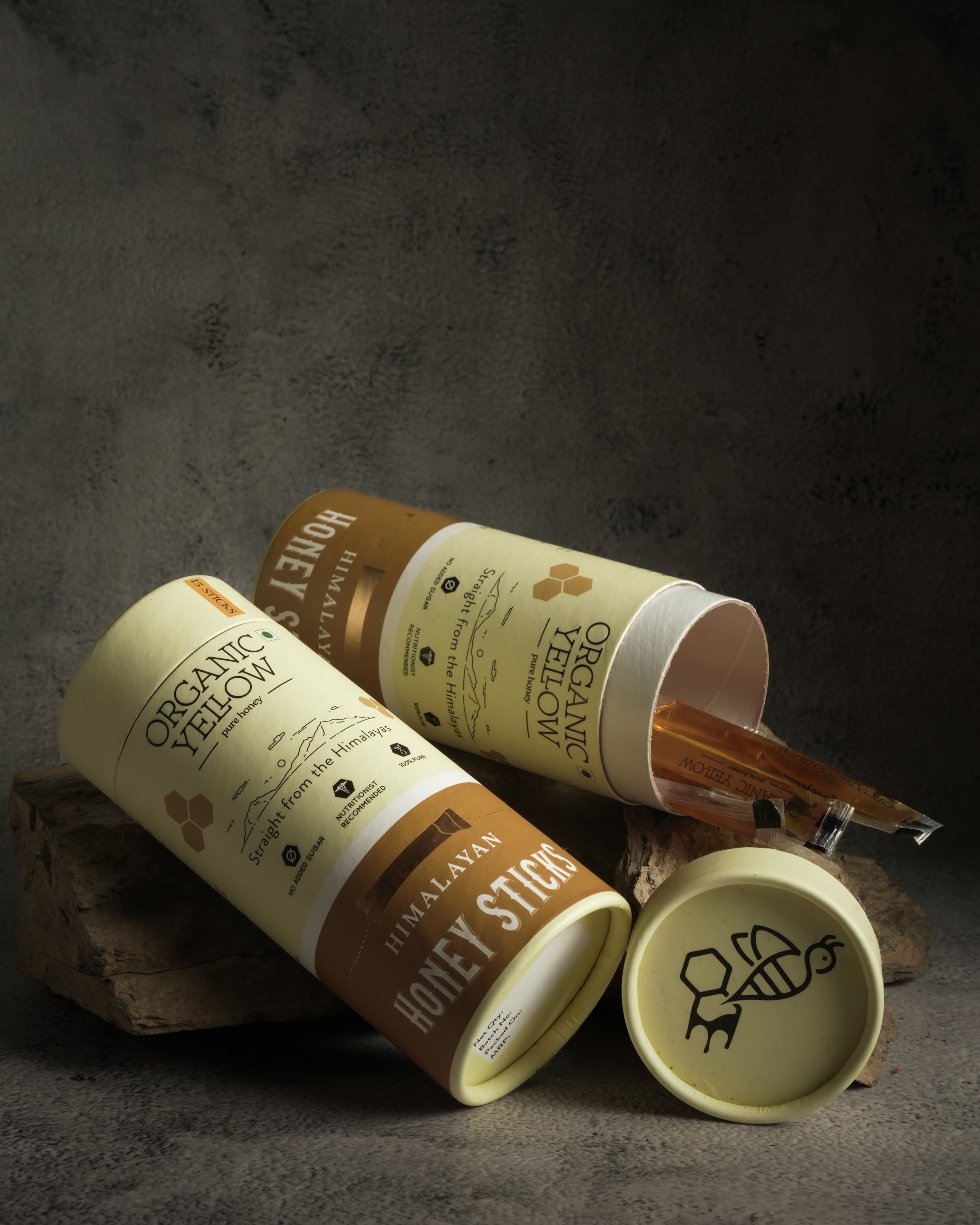
We also do not use the lifestyle image above as proof of who supplies the honey. A supplier story should be published with clear provenance and consent, not inferred from an image asset.
Is a lab report enough to prove ethical sourcing?
No. A report about the composition of a submitted honey sample does not establish who was paid, working conditions or community outcomes. Our lab documents page describes the limits of the available testing evidence. Supply-chain and social-impact claims need their own records.
Questions to ask before buying
Ask which sourcing facts the seller can document for the product you are considering. It is reasonable to request clarification of a district, named group or payment claim without asking for private member information. Contact Organic Yellow with the specific product or batch question, and compare the available honey packs on their documented labels and format.
This article is a guide to checking sourcing claims. It is not a verified account of an Organic Yellow beekeeper partnership.